
Robert Coleman
Featured in 2 editions of the Pocket Program — 2009, 2007.
2009
Award of Distinction 2008; Award of Merit 2006Booth 102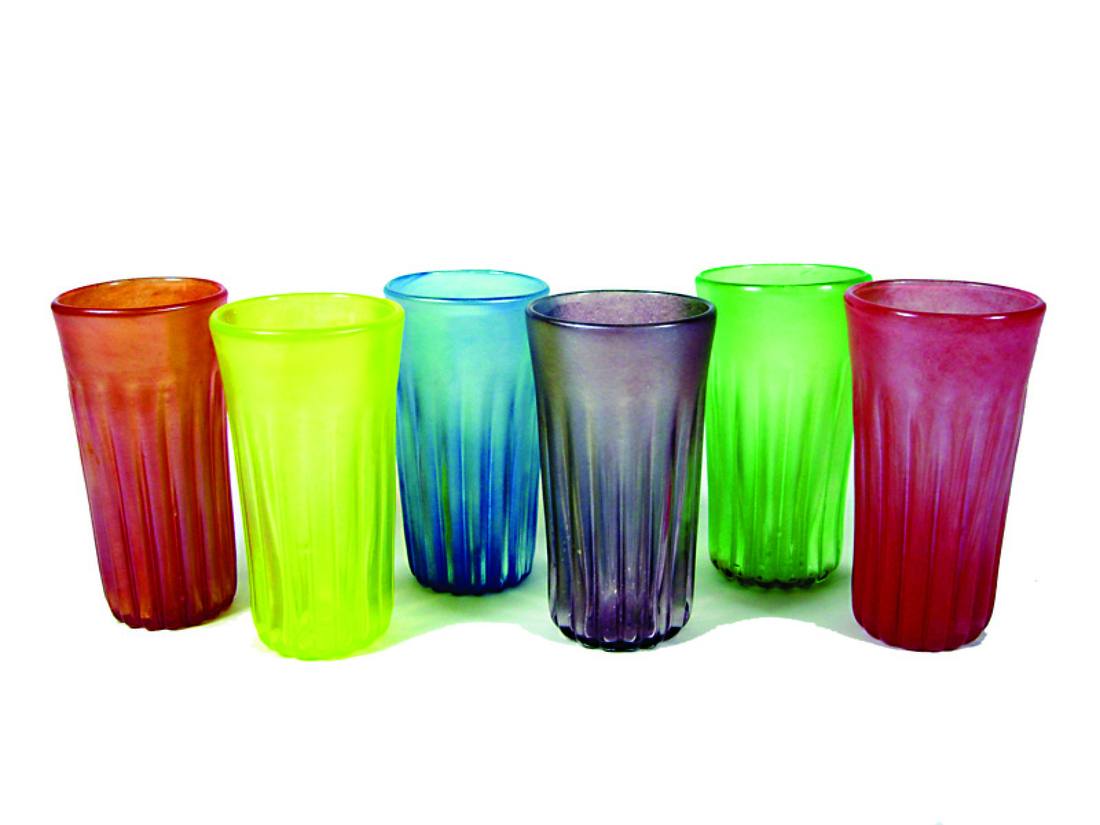
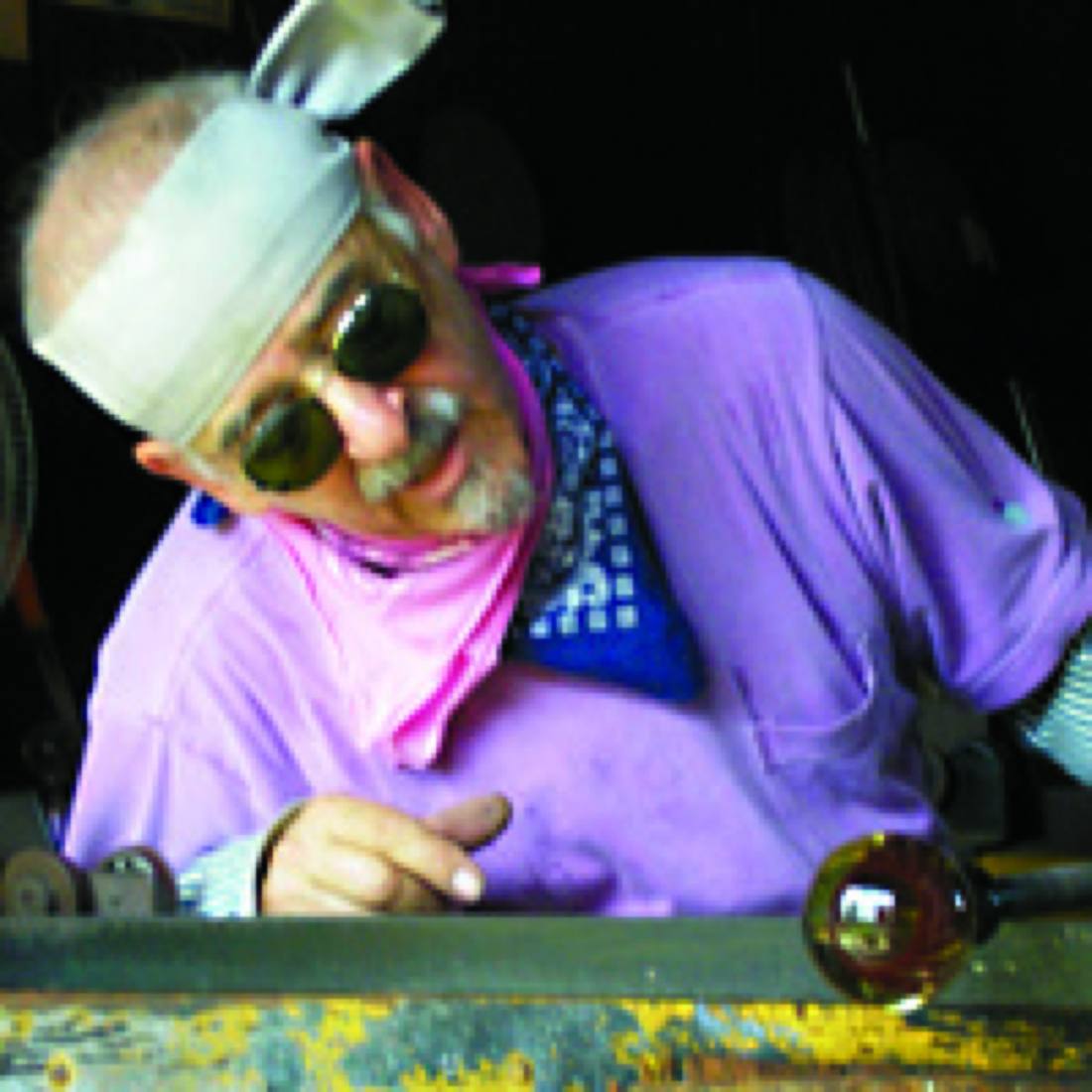
Born in NYC in 1943 and raised near San Francisco, Coleman fell in love with glass in 1967 on a field trip to the University of California Berkley. He received a BA in Design, UCLA 1969; MA in Ceramics, UCLA 1971; and an MFA in Glass from Kent State University 1973. After teaching for 3 years at an art school in , he has been a self-employed glassblower/ designer since 1976. Married to Graphic Artist, Vicki Herrick, they live and maintain studios on a Central Ohio farm and have four children between 18 and 27. Coleman's work tends to ask more questions then provide answers except in the case of classical and functional forms in which history always seems to provide the answers or at least a comparison. He produces all work by himself, each piece is individually made without the use of molds other then for textural effects thus there are subtle differences in size, color, and decoration that result in each piece being both unique and related as well. Coleman works with practical forms, sculptural fantasy, geometric pieces, and abstractions. His concerns are with color, the balancing of negative and positive space, and the distortion of perfection.
2007
Award of Distinction 2008; Award of Merit 2006Booth 118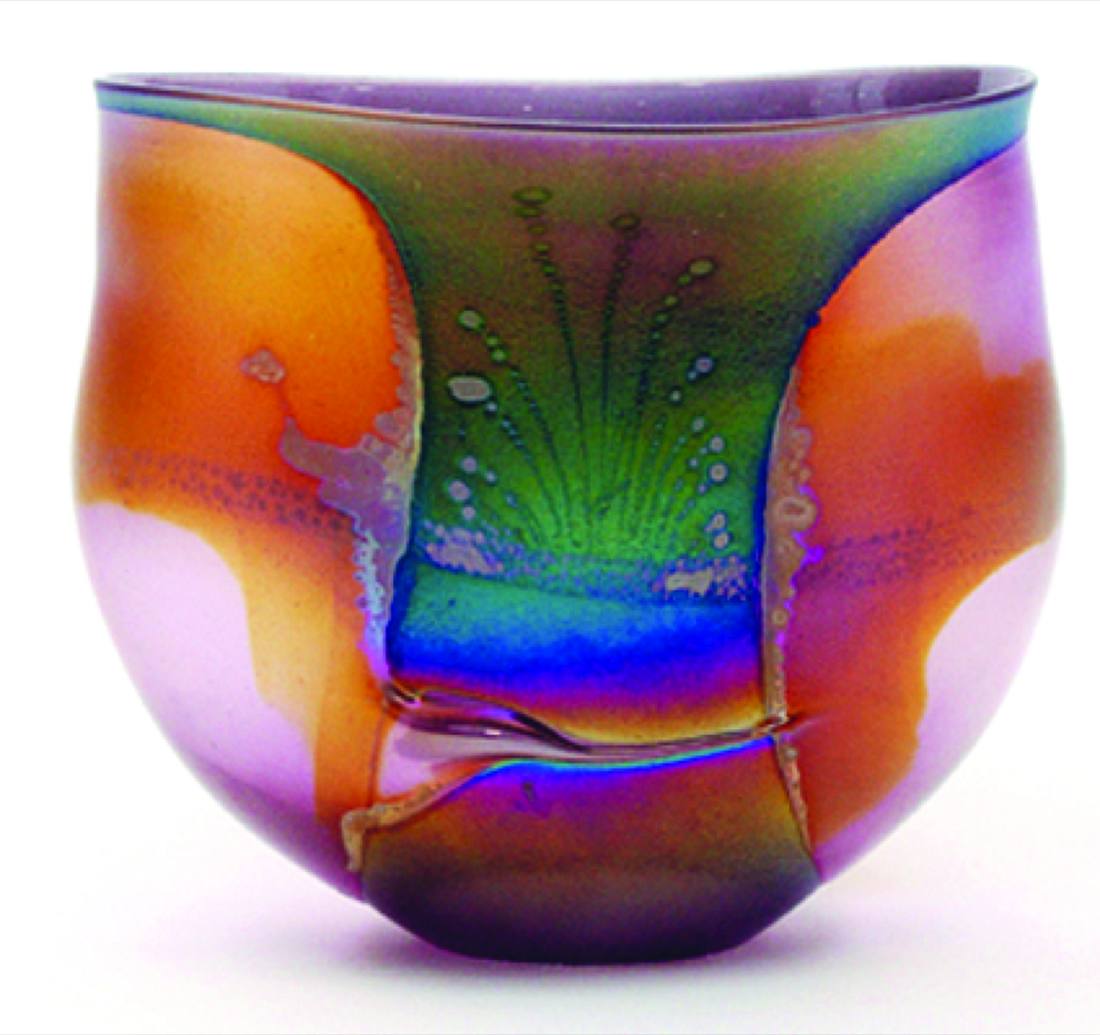

Coleman was born in New York City in 1943. Raised in California near San Francisco, Coleman fell in love with hotglass while on a field trip to the University of California Berkley in 1967. Coleman received a BA degree in Design from UCLA in 1969, an MA in Ceramics from UCLA in 1971, and an MFA in Glass from Kent State University in 1973. He taught for 3 years at an art school in Columbus, Ohio, and since 1976 has been a self-employed glassblower/designer. Married to Graphic Artist, Vicki Herrick, they live and maintain studios on a farm in Central Ohio and have four children between the ages of 16 and 25. Coleman's work tends to ask more questions then provide answers except in the case of classical and functional forms in which history always seems to provide the answers or at least a comparison. Coleman works with practical forms, sculptural fantasy, geometric pieces, and abstractions. His concerns are with color, the balancing of negative and positive space, and the distortion of perfection.